
The Gumbs Lab
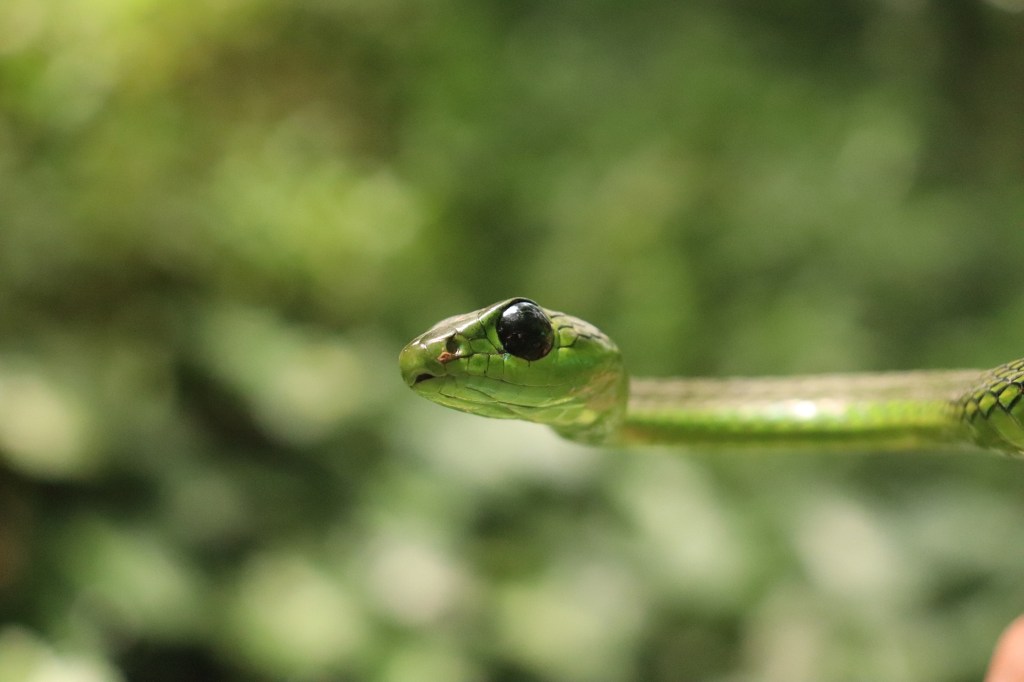
We are interested in how to effectively integrate global biodiversity data to inform national and local conservation actions. Our work focuses on prioritising the world’s most unique and threatened species and regions for conservation action, and we focus on a diverse set of topics from human-snakebite risk to quantifying global biodiversity loss.
Each living species is the embodiment of thousands or millions of years of independent evolution. When we lose species we not only lose our evolutionary heritage but also erode the world’s diversity of forms and functions. Our work highlights the world’s most distinctive and threatened species whose conservation can safeguard multiple components of biodiversity and safeguard its benefits for future generations.
Species on the EDGE
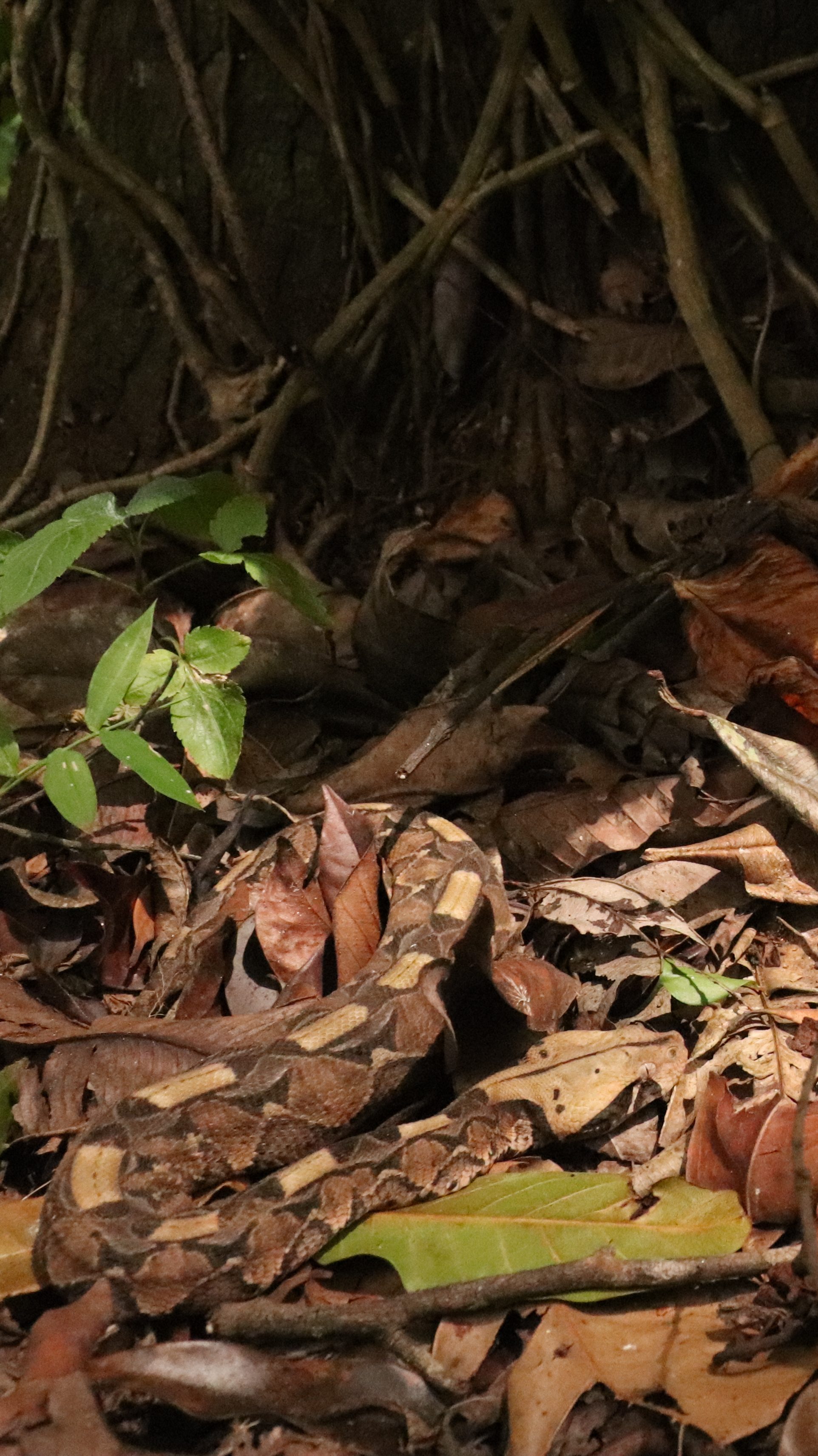
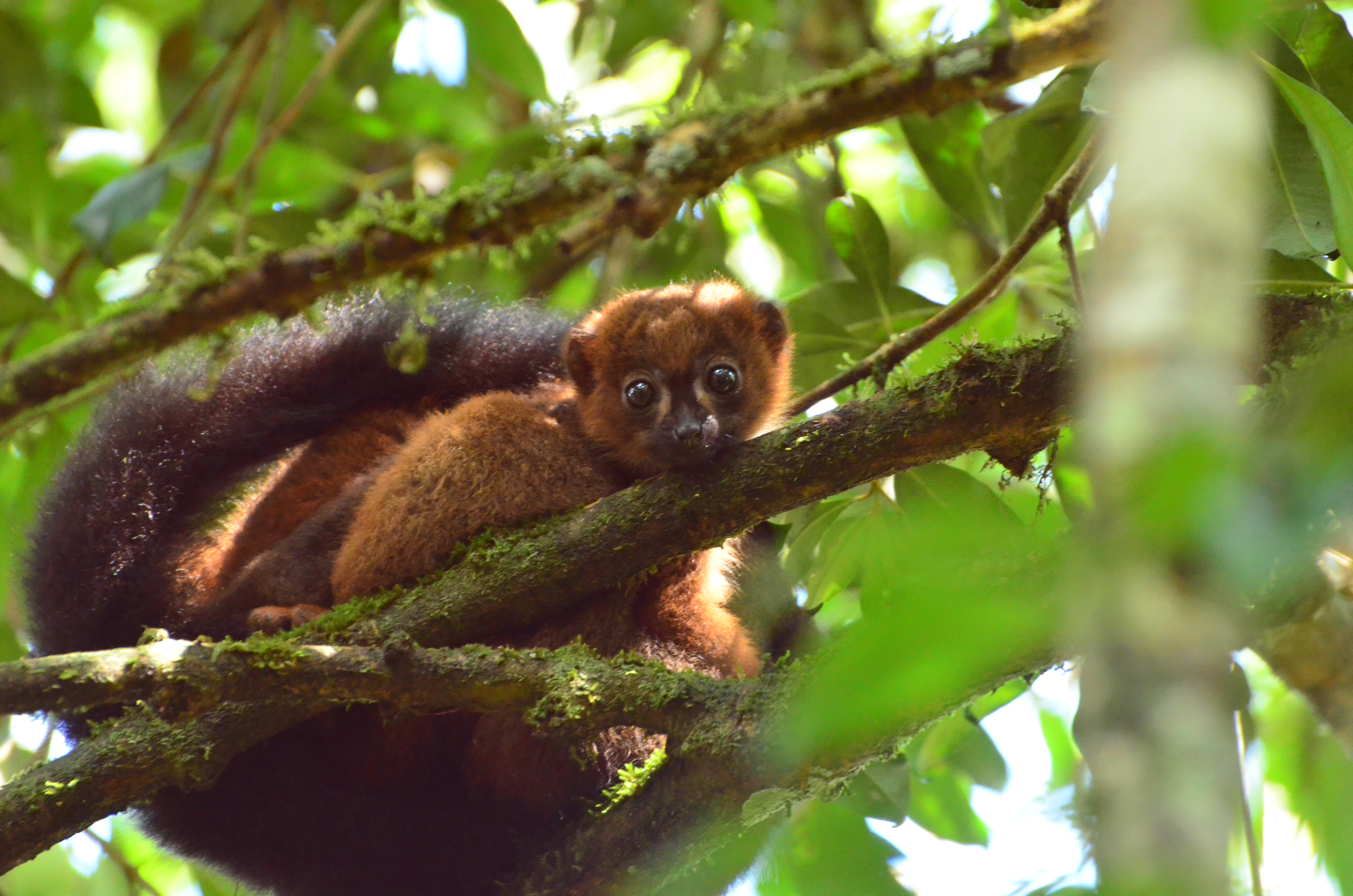
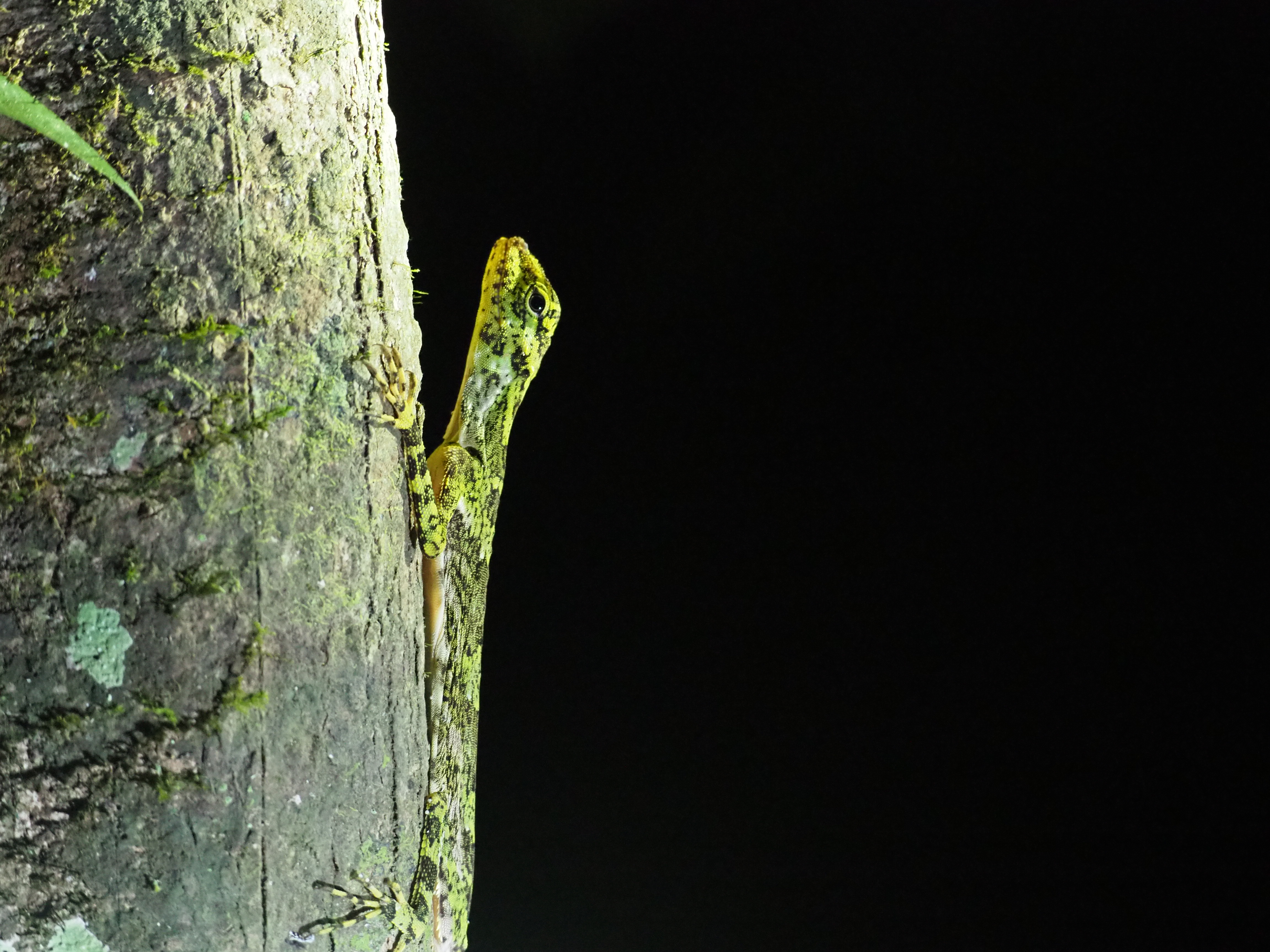
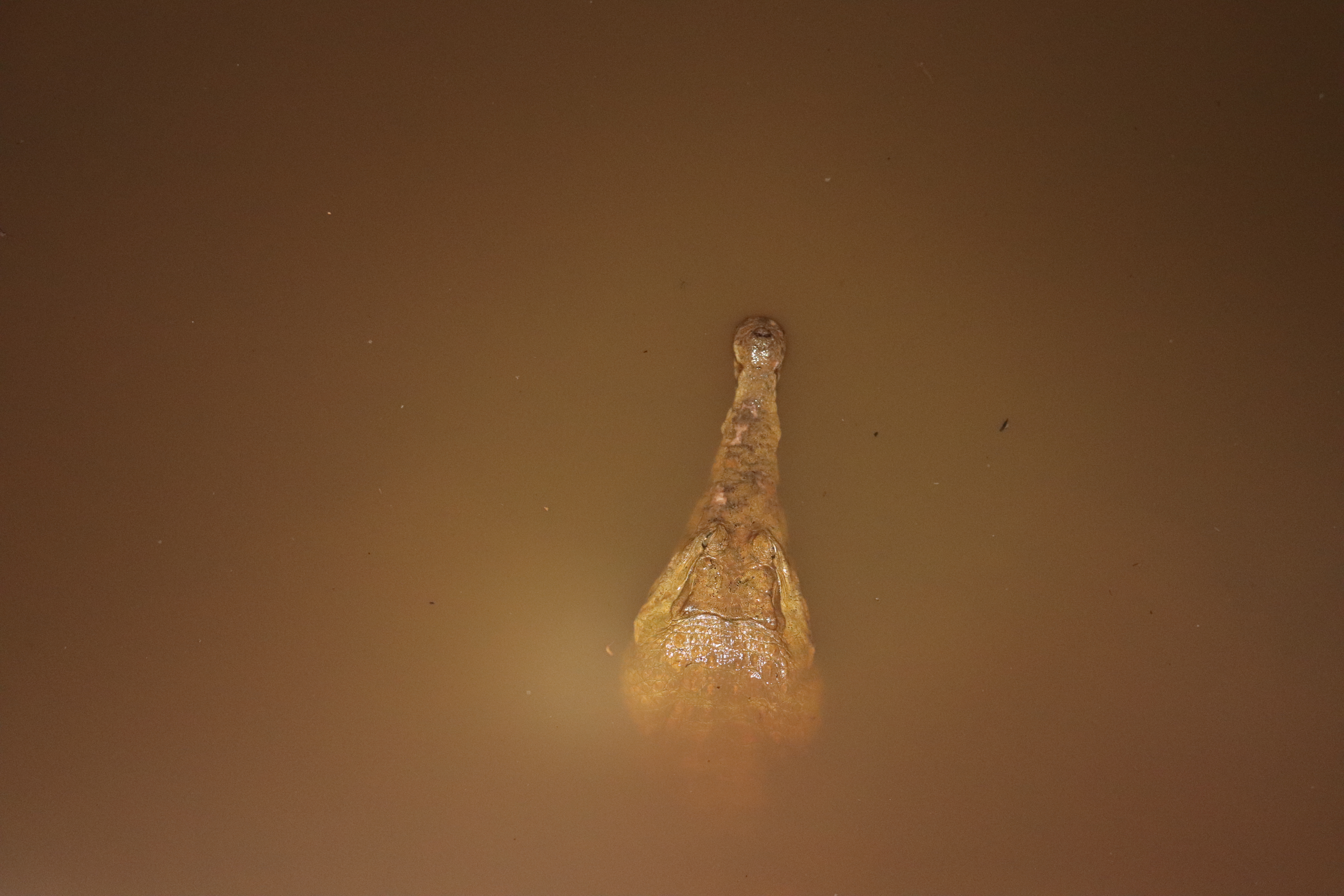
Evolutionarily Distinct and Globally Endangered (EDGE) species have few or no close relatives on the Tree of Life and are threatened with extinction. Our work builds on decades of advances to identify priority EDGE species for conservation across the Tree of Life. Evolutionarily distinct species often contribute irreplaceable functions to ecosystems and benefits to people. We explore the impacts of losing EDGE species and the benefits to safeguarding the Tree of Life.
Indicators to monitor the Tree of Life
As part of the IUCN Species Survival Commission’s Phylogenetic Diversity Task force, we led on the development of two phylogenetic-based indicators now adopted in the UN Convention on Biological Diversity’s Kunming-Montreal Global Biodiversity Framework: The EDGE Index and the Phylogenetic Diversity Indicator.
The group provides tools, data and guidance to produce these indicators at the global, national, and regional scales.
Integrating functional diversity into the global conservation agenda
The diversity of form and function between and within species is integral to ecosystem processes and services, but this diversity is under increasing pressure. Our work aims to integrate functional diversity into conservation planning and policy in the same way phylogenetic diversity has been embraced and incorporated. We are developing novel methods to quantify the erosion of functional diversity and prioritise species and regions to avert the greatest impending losses.
Supporting the next generation of conservation leaders
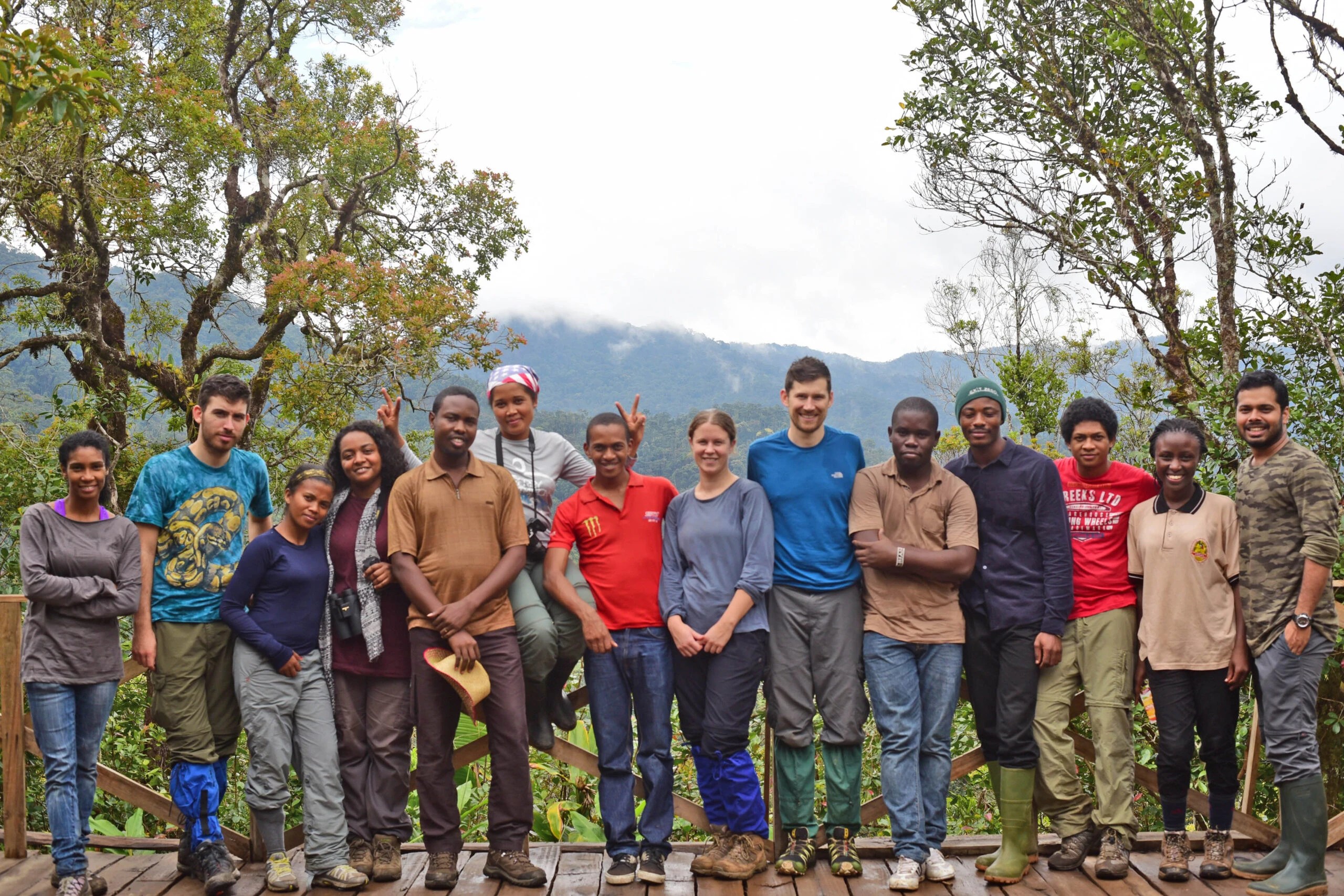
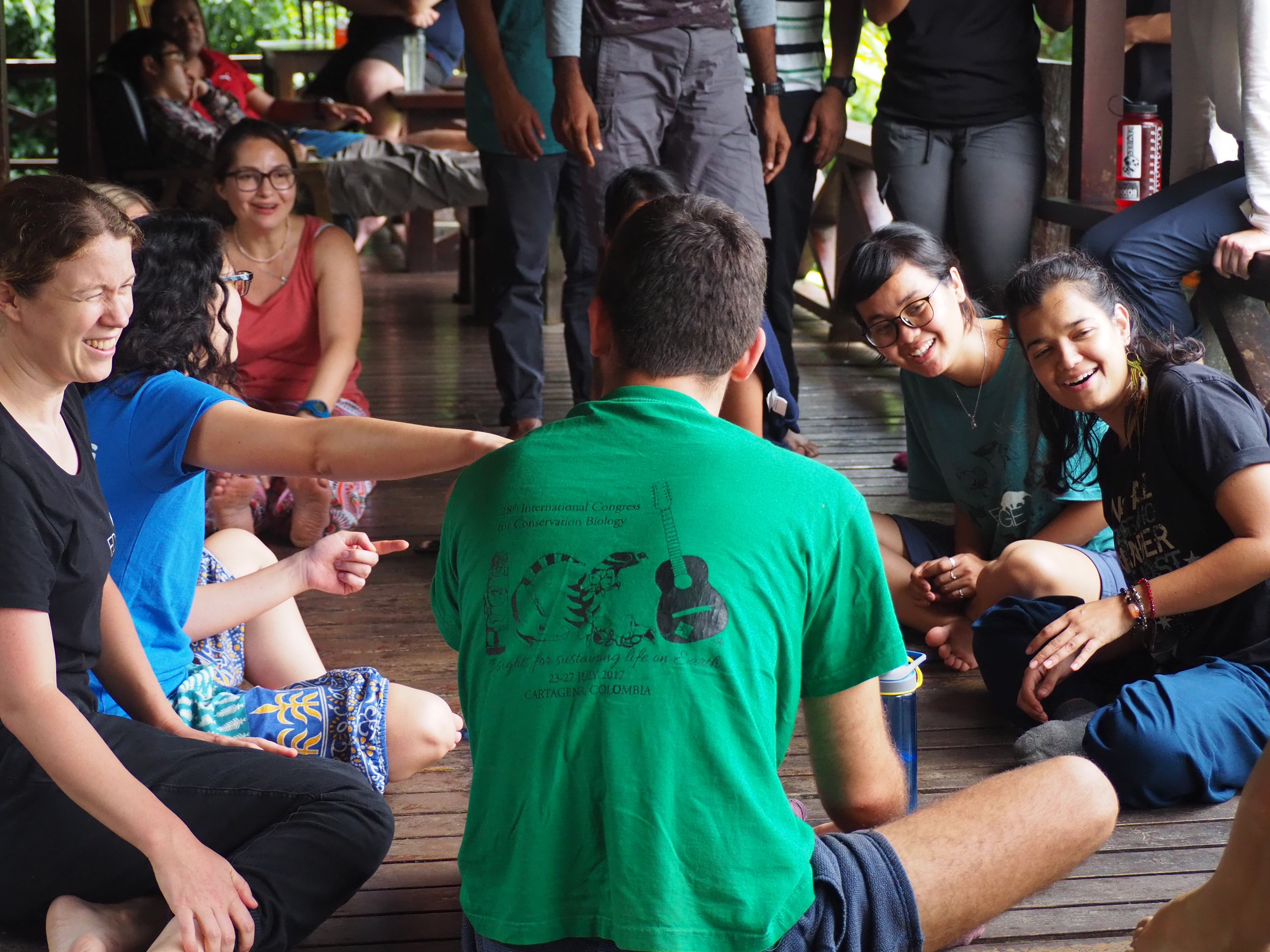
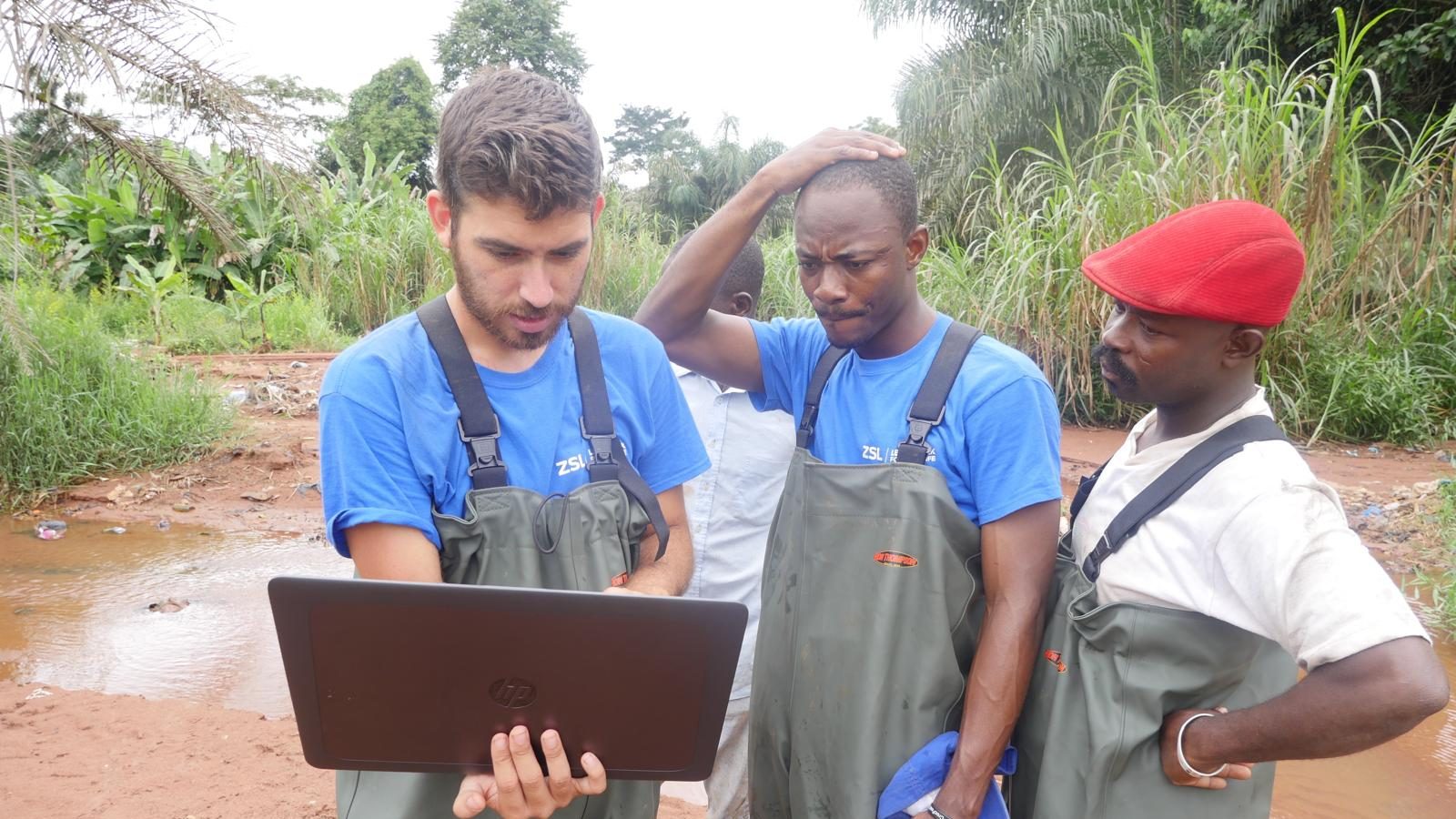
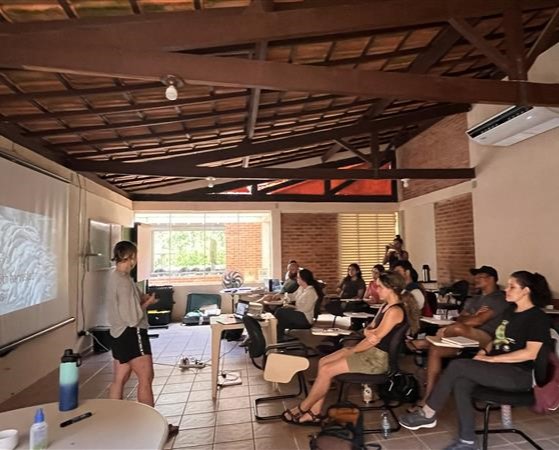
We have the privilege of supporting some of the most amazing early-career researchers in the world. ZSL’s EDGE of Existence programme supports, trains, mentors and funds future conservation leaders, called EDGE Fellows, to lead conservation projects on overlooked and understudied EDGE species. We provide opportunities to train and mentor EDGE Fellows during their time with the programme, and engage with other capacity sharing initiatives within ZSL.
 The Gumbs Lab